

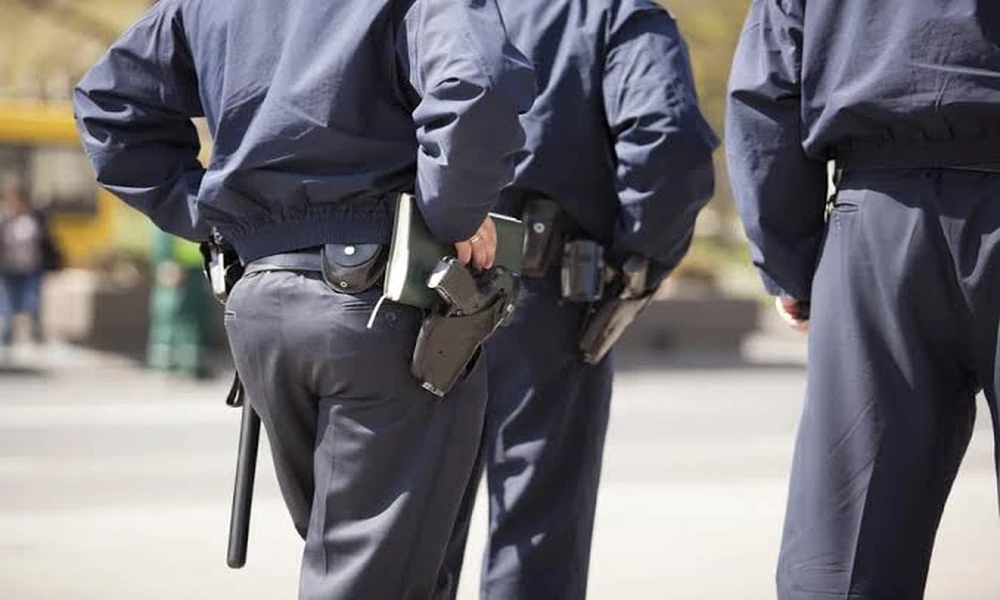
Businesses handling valuable property or facing serious safety concerns need reliable protection. Unexpected threats can interrupt daily operations and place workers at risk. A trained security team helps prevent such situations through careful observation and timely action. Visitors can explore additional information, review available details, and access useful resources by choosing to see website for further guidance. Professional personnel monitor important areas while maintaining clear communication with management. Their presence also helps reduce unwanted access and supports better control during difficult situations. A planned approach allows organisations to protect people and property more effectively.
Why Is Workplace Safety Important Today?
A secure workplace helps employees perform their duties without unnecessary concern. Strong protection also reduces disruption caused by unwanted incidents.
How Can Threats Be Identified Early?
Trained personnel observe unusual behaviour and recognise warning signs. Early attention allows teams to respond before situations become serious.
What Makes Entry Control More Effective?
Monitoring entry points helps prevent unauthorised visitors from reaching restricted areas. Staff can verify visitors before allowing access.
How Does Visible Protection Discourage Crime?
A professional security presence can discourage individuals considering theft or harmful actions. Regular patrols also improve general awareness.
Why Does Staff Protection Matter?
Employees deserve a safe working environment. Suitable security arrangements help reduce exposure to threats during normal business activities.
Can Patrols Improve Property Safety?
Scheduled inspections help identify suspicious activity. Personnel can also check vulnerable sections and report problems without delay.
How Does Risk Planning Help Businesses?
Preparation gives teams clear responsibilities. Managers can establish suitable procedures for different emergencies.
What Happens During Security Assessments?
Security assessments help identify weaknesses within business premises. Personnel examine access points and recommend suitable protective measures.
How Can Emergency Responses Be Improved?
Clear procedures help personnel manage unexpected incidents. Regular practice also improves coordination between workers and security teams.
- Important responsibilities include:
- Following established response procedures.
- Reporting unusual activity quickly.
- Guiding employees towards safer areas.
- Maintaining contact with management.
- Recording important incident details.
Why Is Communication Essential During Emergencies?
Reliable communication prevents confusion during serious situations. Personnel should share accurate information with relevant staff members.
- Effective communication practices include:
- Using approved communication equipment.
- Sharing clear incident updates.
- Informing responsible supervisors.
- Avoiding unverified reports.
- Keeping response instructions simple.
Lasting workplace safety requires careful planning rather than relying on visible personnel alone. Organisations should combine trained professionals with clear policies and regular assessments. To understand the available services better, users can see website and explore relevant information before making informed decisions. Management must review changing risks while ensuring employees understand reporting procedures. These practical steps create stronger safeguards and support uninterrupted operations.
