

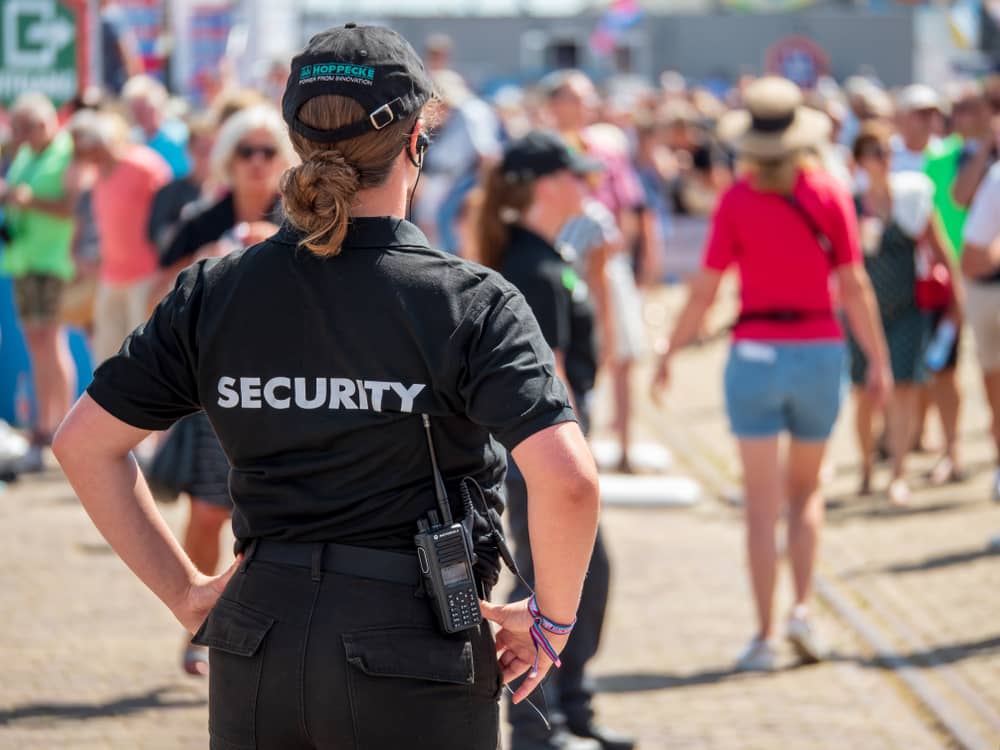
Whether you are organising a music event, wedding, festival, community gathering, or corporate function, security should be built into the plan from the beginning. It is not about making guests feel uncomfortable; effective event security helps create a welcoming environment where people can relax, staff can work confidently, and organisers can respond calmly if an issue arises.
A tailored plan considers the venue, crowd size, event schedule, and likely risks, ensuring the right support is in place throughout the day or evening.
Start With a Clear Event Risk Assessment
Every event has different requirements. A small private celebration may need discreet door supervision and parking support, while a larger public event could require entry management, patrols, crowd monitoring, and emergency procedures.
Before booking security, think about:
- Expected guest numbers and the audience profile
- Entry and exit points
- Ticketing or guest-list arrangements
- Alcohol service and late-night activity
- Parking, transport, and pedestrian routes
- Valuable equipment, cash, or stock on site
- The venue’s location and layout
- Emergency access for police, ambulance, or fire services
A practical assessment helps organisers decide where officers are most needed and prevents gaps in coverage.
Control Access Without Creating Queues
The entrance is often the most important point to manage. A clear and well-staffed entry process can reduce confusion, discourage unauthorised access, and help guests feel reassured from the moment they arrive.
Use Clear Arrival Procedures
Guests should know where to enter, what they need to show, and which items are not permitted. Visible signage, barriers, and a clearly marked reception point can make the process much smoother.
For ticketed events, staff may need to check wristbands, tickets, invitations, or identification. At private events, a guest list can help prevent uninvited visitors from entering.
Keep Emergency Routes Open
Entrances and walkways should never become blocked by queues, parked vehicles, or equipment. Plan dedicated routes for guests, suppliers, and emergency services, particularly at outdoor venues or temporary event sites.
Security officers can help monitor these areas and address problems before they become disruptive.
Choose the Right Type of Security Presence
Security does not need to look the same at every event. The most suitable approach depends on the setting and the level of risk.
Door Supervisors and Static Guards
A professional officer at an entrance, reception point, backstage area, or restricted zone provides a visible point of contact. They can manage access, help de-escalate difficult situations, monitor crowd behaviour, and communicate concerns to the event team.
This can be especially useful for evening events, licensed venues, and gatherings where alcohol is served.
Mobile Patrols
For larger sites, outdoor events, or venues with several access points, mobile patrols can help monitor car parks, perimeter fencing, supplier areas, and quieter parts of the site. Regular patrols make it easier to spot safety issues, suspicious activity, or signs of unauthorised entry.
For organisers seeking professional security services in Cornwall and Devon, a provider can tailor guarding, patrol, keyholding, and response arrangements to the event’s location and schedule.
Protect Equipment, Staff, and Cash
Events often involve valuable items such as sound systems, lighting, catering equipment, stock, tills, and personal belongings. Security planning should include how these assets will be protected before, during, and after the event.
Restricted-access areas should be clearly identified, particularly where performers, staff, or suppliers need space to work without interruption. Secure storage for cash, keys, and confidential information is also important.
At the end of an event, security can support a safe and orderly departure, while also helping protect equipment during dismantling and collection.
Communicate the Plan With Everyone Involved
Security works best when organisers, venue staff, suppliers, and security officers understand their responsibilities. Before the event begins, confirm key details such as:
- Who to contact if an incident occurs
- Emergency evacuation procedures
- First-aid arrangements
- Lost-child or lost-property processes
- Procedures for refusing entry or removing guests
- The location of restricted areas and exits
A short briefing can prevent misunderstandings and ensure staff respond consistently if something unexpected happens.
FAQ
How many security officers does an event need?
This depends on the size, location, hours, crowd profile, alcohol service, and layout of the event. A security provider can assess the risks and recommend appropriate coverage.
Do private events need security?
Not all private events require formal security, but professional support can be valuable where there are many guests, alcohol, expensive equipment, or a large outdoor venue.
Can security staff help with crowd management?
Yes. Trained officers can manage entry points, monitor busy areas, help maintain clear walkways, and respond appropriately if tensions arise.
When should event security be arranged?
It is best to arrange security as early as possible, especially for popular dates, larger events, or occasions with complex site layouts.
Conclusion
Thoughtful event security helps protect people, property, and the reputation of your occasion. By assessing risks early, controlling access, safeguarding valuable equipment, and giving every team member a clear plan, you can create an event that feels safe, organised, and enjoyable for everyone.
